5 Key Criteria for Selecting a Modeling and Detailing Partner for Your Complex Project
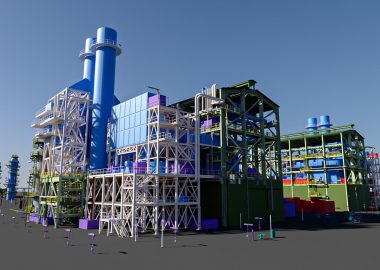
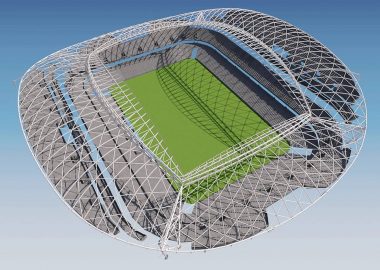
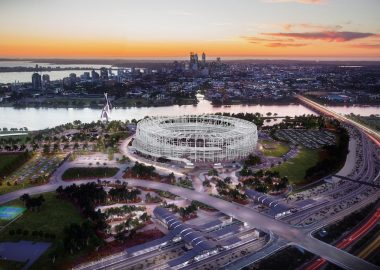
Iconic sporting stadiums, convention centers and entertainment districts are complex. The design, construction and ongoing management of these assets needs a holistic, collaborative approach to ensure that competing demands—from aesthetics, functionality, and construction cost, through to sustainability and ongoing management—are realized.
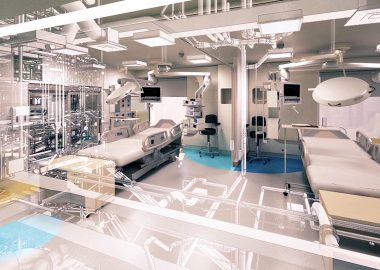
Why Healthcare Projects Need an LOD 350 Model at a Minimum
the LOD framework clearly defines the development stages within BIM. It helps facilitate clear communication between architects, engineers, contractors, fabricators and asset managers—for accurate scheduling and procurement, faster construction, and reduced costs.
How Design Assist Can Improve Cost and Schedule Outcomes
Design assist helps bridge the gap between design, and construction. Collaborative early engagement methodologies like, Design Assist, Design Integration or Integrated Project Delivery help ensure cost and scheduling certainty in a relatively short space of time.
How Visualizations and 3D Animations Simplify Complexities and Improve Safety Outcomes for Construction Projects
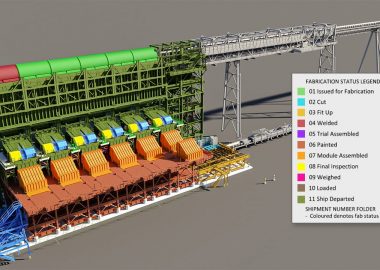
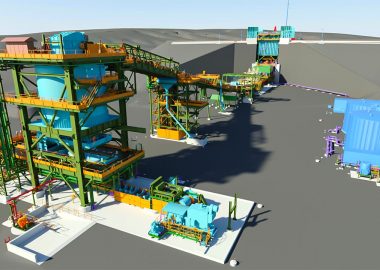
Visualizations offer real-time, realistic and technically accurate representations of complex assets, resulting in increased levels of communication, clarity and engagement for all stakeholders.
How Quality Construction Modeling and Detailing Can Bolster Sustainability Outcomes in Construction
Construction Modeling and detailing of everything from steel, concrete, timber and vendor items can play an important role in bolstering the sustainability credentials of construction projects. Pre-construction planning, modeling and detailing can assist in minimising waste, reducing rework and the consumption of these raw materials.
The move towards the use of BIM and 3D modeling for public infrastructure projects like bridges is being made to capitalize on its many benefits. Data-rich and exceptionally precise, 3D models provide the meticulous information needed to streamline and de-risk the entire lifecycle of an infrastructure project, from design, planning and materials procurement, through to fabrication and erection of structural steelwork, and ultimately, asset management.
How Thinking Digital, and Leveraging Our Past, Can Make the Most Complex Infrastructure Project Simpler
The construction and infrastructure industry needs digital disruption. According to research by McKinsey & Company, large construction projects typically take approximately 20 per cent longer to finish than scheduled and are up to 80 per cent over budget.
The True Cost of Detailing Errors in Reinforced Concrete
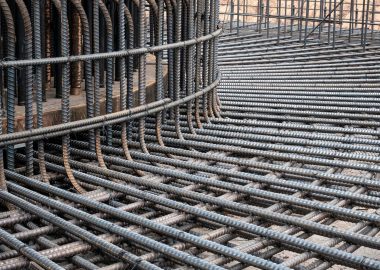
If completed by a quality detailer, concrete and rebar detailing benefits any project – it can help improve project margins, boost efficiency and productivity, minimize waste, and sure up scheduling certainty.
A federated dataset that we might be familiar with in project delivery, generally in the form of a Navisworks model (or similar), is not the same thing as a Digital Twin.
Key Criteria for Successful Collaborations with Engineers and Project Owners
Changing roles and compressed project schedules necessitate collaboration between engineers, project owners and detailers. A collaborative approach affords myriad benefits. Engineering designs can be validated, visualised and communicated more efficiently, and clashes and constructibility issues identified earlier.