Article by Nick Osmond, DBM Vircon – Vancouver
Market fluctuations are an inevitable reality of structural steel. But today’s economic landscape goes far beyond ordinary cyclical shifts. According to Procurement Resource, U.S. structural steel prices reached approximately US$1,610 per metric ton in July 2026. That’s up from US$1,578 in June, reflecting continued upward pressure on steel costs.
Macroeconomics and market pressures are driving this acceleration. Tariff constraints, climbing energy costs, and relentless demand from data centers and hyperscale infrastructure are consuming available tonnage across rolling schedules and service center stock.
Rather than treating this volatility as an insurmountable roadblock, forward-thinking fabricators are recognizing what it exposes: an urgent need to improve how dependably structural steel packages are delivered. The challenge is not just managing material volume, it is adapting how projects come together to protect budgets and deadlines.
The Breakdown of Linear Delivery
For decades, construction has relied on a sequential process: design, then bid, then build. Today, that linear model has broken under the weight of modern expectations. Design packages are released in parallel, procurement begins before drawings are finalized, and shop fabrication starts while downstream design details are still being resolved. Involving fabricators, detailers, and trade partners early is essential to keeping modern projects on track.
Several forces are accelerating this evolution. Capital moves faster than ever, and owners are demanding speed-to-market that traditional sequential workflows cannot satisfy. This pressure is most intense in AI and data infrastructure, where the frantic race for online capacity is compressing schedules industry-wide.
The True Cost Drivers in Structural Steel
To understand why early collaboration transforms project outcomes during severe supply constraints, it helps to examine where project dollars are typically spent.
According to the American Institute of Steel Construction (AISC), raw material is less than one-third of the cost of a building’s framing system, and the framing system itself makes up roughly 12% of overall project costs. Crucially, about 70% of a structural steel package costs stem from fabrication and erection, not just the raw mill price of shapes, plates, and bars.
When mill prices spike and rollings close 60 to 120 days prior to roll dates, panic often fixates on the line-item cost of the steel. While base material price hikes are passed through to the owner, focusing exclusively on raw mill numbers overlooks the much larger financial levers available downstream. Optimizing how a structure is detailed, fabricated, and assembled yields far greater cost protection than haggling over mill prices.
Building Certainty Through Parallel Workflows
In this economic climate, owners can no longer wait for perfect information to make critical decisions, and they expect their partners to move with equal confidence.
Project success is defined less by how much work is coming, and more by how dependably teams can deliver it. The strongest project teams collaborate to resolve procurement, constructibility, labor, and schedule challenges in parallel with design, rather than pausing for a complete set of construction documents.
To achieve this, forward-looking owners are leaning into phased design packages, early procurement releases, and collaborative frameworks like progressive design-build or early contractor involvement (ECI). These approaches create the contractual runway needed to lock in long-lead packages and secure trade partners before market bottlenecks hit.
When general contractors, engineers of record, detailers, and fabricators strategize together from day one, they can map out precise material procurement schedules and lock in mill orders before rollings close. This integrated approach minimizes costly Request for Information (RFI) loops, resolving clash detection and design ambiguities long before steel is cut in the shop.
In Practice: Enabling Advanced Bills of Materials on the Pretty Rocks Bridge in Alaska
The Pretty Rocks Bridge Project in Denali National Park, Alaska, demonstrates the power of Integrated Design and Detailing (IDD) to accelerate project delivery and reduce risk on complex steel infrastructure projects.
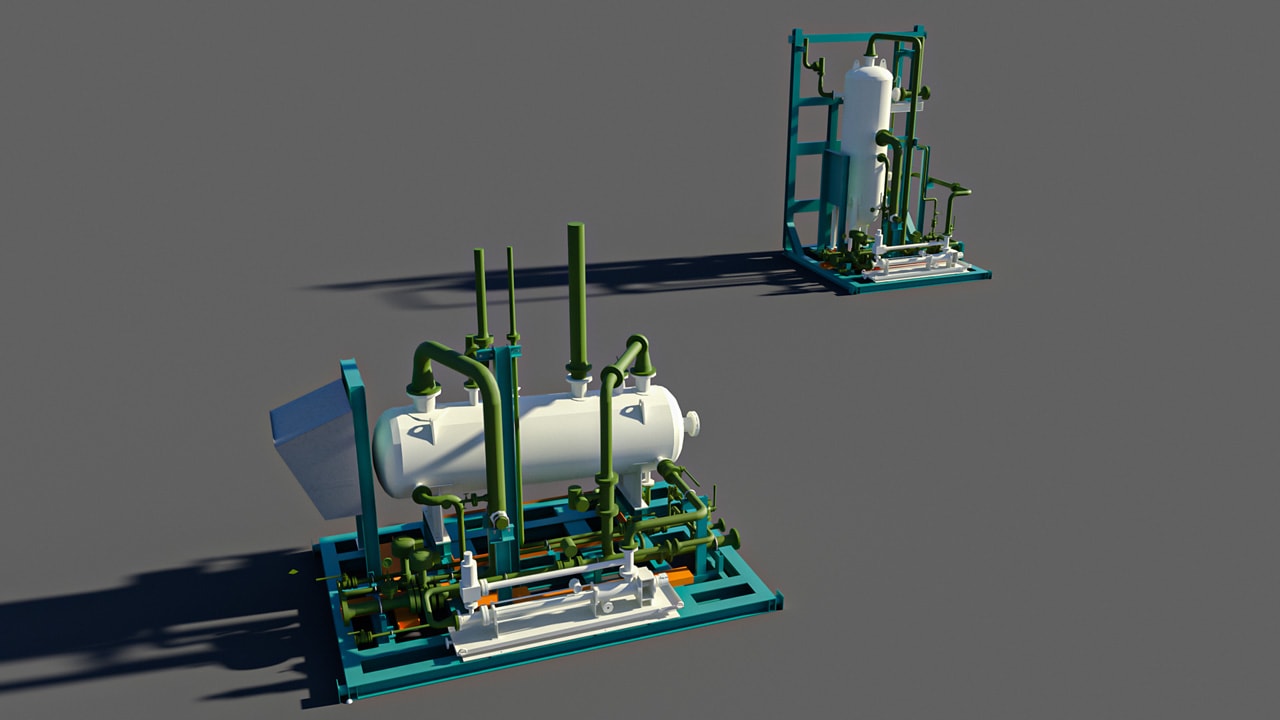
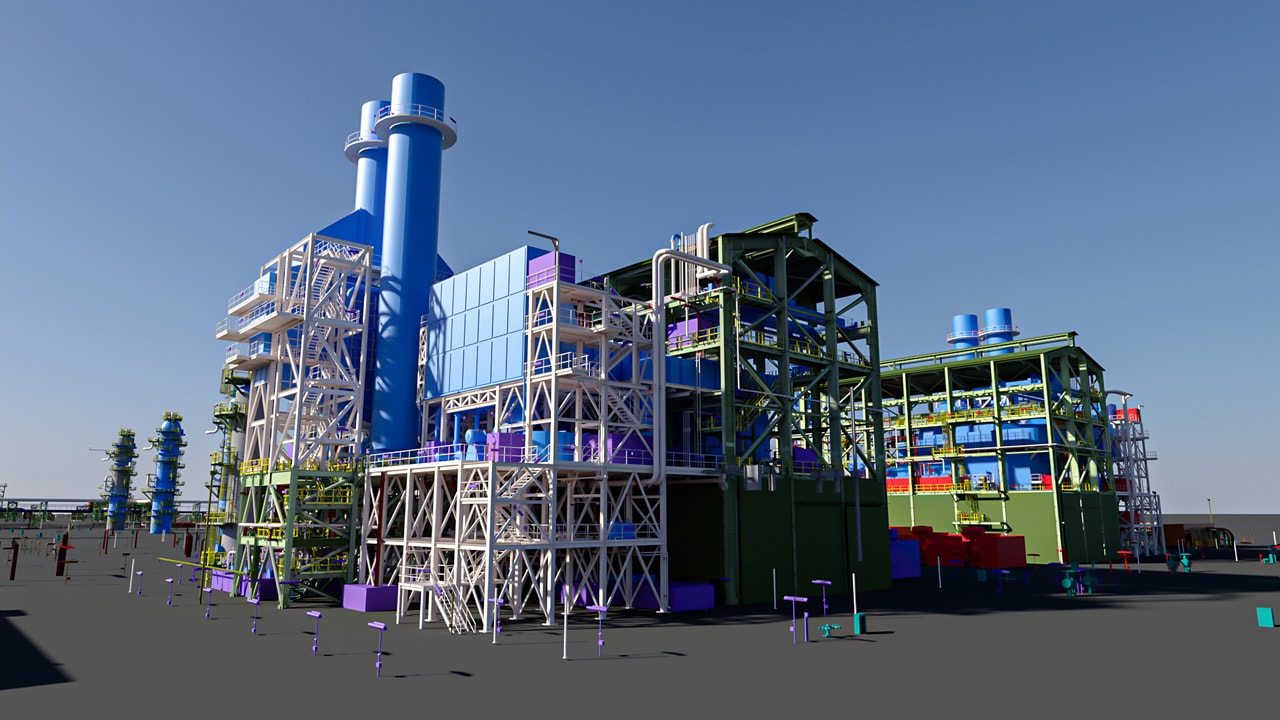
As part of the integrated team, DBM Vircon worked alongside the design and construction teams to develop fabrication-level 3D models in parallel with engineering design, allowing detailing, procurement, and construction planning to progress simultaneously rather than sequentially.
This approach enabled Advanced Bills of Materials to be generated early enough for steel to be ordered before the final Issued for Construction documents were completed, a significant departure from traditional project delivery methods.
The accelerated procurement strategy helped bring critical material purchases forward, compress the schedule, and save an estimated seven months compared with a conventional detailing process.
Turning Market Pressure Into Competitive Advantage
Project delivery has changed permanently, and the partners who thrive will be those who adapt alongside it.
By uniting the Engineer of Record, general contractor, detailers, and fabricators under a collaborative umbrella early in preconstruction, stakeholders unlock hidden efficiencies, control most costs tied to labor and fabrication, and safeguard project timelines.
In an unpredictable economic landscape, early teamwork provides clients with something increasingly rare: confidence that the schedule — and the budget — will hold.