Article by Kavian Iranzad, DBM Vircon – Vancouver
This is the second of two articles looking at engineering and construction challenges facing North American Liquefied Natural Gas (LNG) facilities. Read Part 1 here.
As North America’s LNG buildout accelerates, project teams are being asked to deliver larger, more complex facilities under increasingly demanding schedule, labor, procurement, and logistical constraints.
Success depends on more than technical excellence within individual disciplines. It requires a connected approach that links engineering, detailing, fabrication, logistics, construction, and commissioning into a coordinated delivery strategy. Digital coordination, early integration, fabrication-driven thinking, workforce capability, and lifecycle planning are emerging as critical differentiators for project teams seeking greater certainty in an increasingly competitive environment.
Digital Coordination Has Become an Execution Discipline
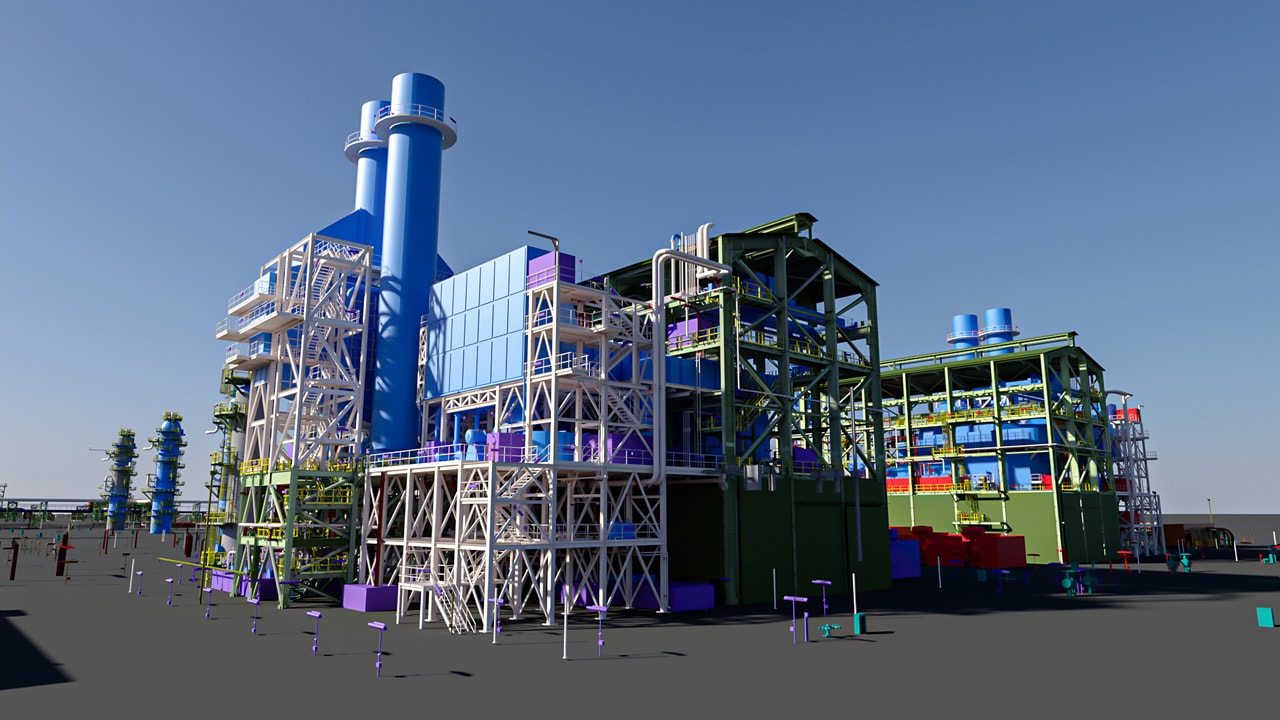
On a modern LNG project, digital tools are not a parallel technology initiative. They are part of the production system. The value of a model is not the model itself; it is the ability to expose conflicts early, coordinate decisions across disciplines, and carry reliable information downstream into fabrication and construction.
- 3D Modeling and BIM Coordination: Advanced structural and multi-disciplinary models can identify clashes between steel, piping, equipment, access zones, and temporary works before those conflicts become field problems. That is where detail becomes risk reduction.
- Common Data Environments: Cloud-based coordination platforms can help engineering, fabrication, construction, and owner teams to work from current information rather than disconnected files and late revisions. Think Trimble Connect or an Autodesk platform like Revit, tools that are used to better align global teams.
- Digital Twins and Asset Data: When model information is structured with the longer-term operational lifecycle in mind, project data can support commissioning, handover, maintenance, and future modifications, not just design.
Close the Execution Gaps Before They Become Site Problems
The costliest project problems often arise at the boundaries between teams. Engineering can be technically spot-on while still being difficult to fabricate. A module may be complete in the yard, but poorly sequenced for transport. A connection might satisfy design loads, but it might also be impractical to erect inside a congested corridor.
That is why the modern fabrication lifecycle depends on stronger integration across engineering, detailing, fabrication, logistics, erection, and commissioning.
- Commissioning Integration: Commissioning should influence design and modularization decisions early. The more systems that can be completed, tested, and verified in controlled environments, the less uncertainty is likely to occur at the construction site.
- Front-End Loading: Schedule pressure can tempt teams to defer model definition and constructability decisions. On mega-projects, those compromises rarely disappear. Instead, they tend to re-emerge as RFIs, revisions, congestion, or productivity losses. In short, schedule setbacks and increased costs.
- Detailer-Fabricator-Erector Alignment: Structural detailing should not be treated as a downstream drafting exercise. Early collaboration can validate connection strategy, access, lifting, welding, shipping splits, tolerances, and erection sequence before fabrication is locked in.
- Material Traceability and Transport: LNG work often combines demanding material specifications with heavy-haul and module-transport constraints. The design must account not only for operating loads, but also for fabrication sequence, lifting, restraint, shipping, and field assembly.
Fabricators As Strategic Partners
The old sequential model—finish engineering, procure material, then hand the job to fabrication—is increasingly at odds with the speed and scale of major energy programs. Bringing fabricators into the process earlier enables their knowledge and experience to shape design decisions while there is still time to create value.
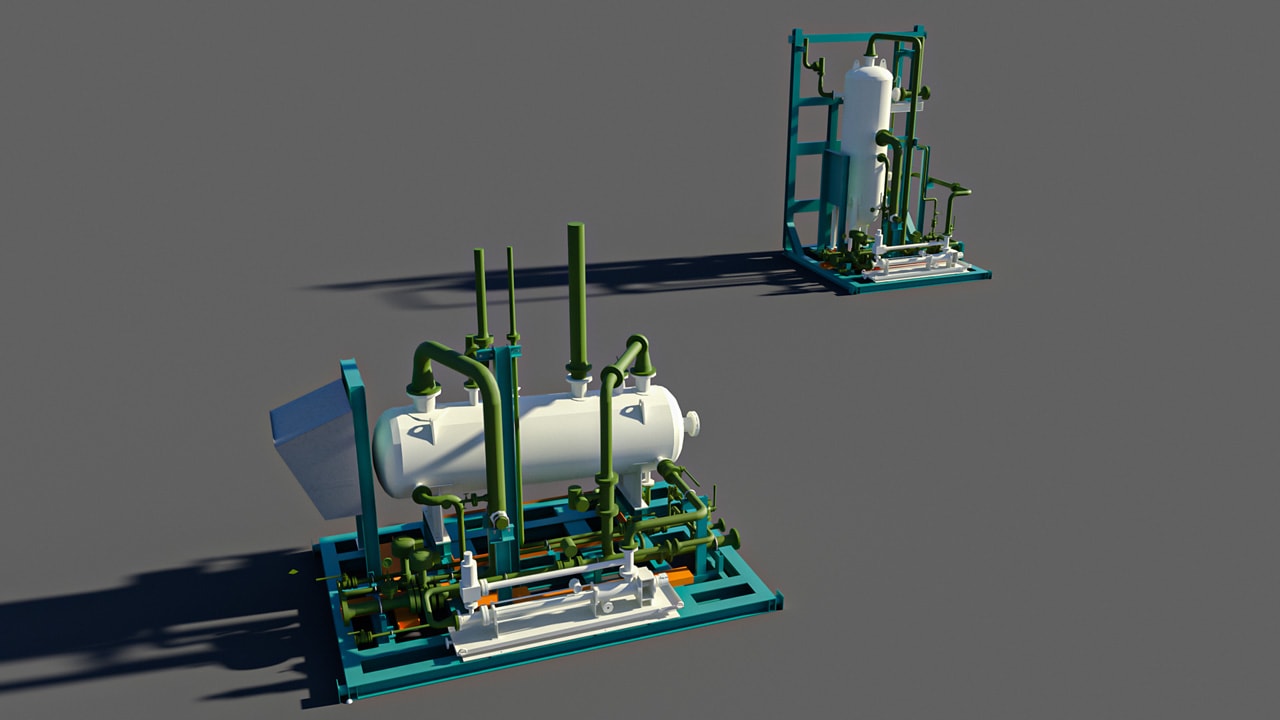
DBM Vircon saw this model in practice on the Queensland Curtis LNG Wellhead Separator Skids project in Australia. Working with Aker Solutions, DBM Vircon delivered integrated engineering, multi-disciplinary 3D modeling, piping stress analysis, structural analysis, lifting studies, design drawings, piping isometrics, and shop detail drawings. Approximately 450 skids were fabricated, with the design developed to improve repeatability and fabrication efficiency.
That project remains a rare industry blueprint because it proved what many project teams continue to struggle with: the power of connecting front-end engineering with fabrication deliverables. Aligning design intent with downstream realities eliminates the gaps where information gets lost in translation.
That is why modularization continues to gain momentum across the industry. Moving work from congested jobsites into controlled fabrication environments can improve safety, productivity, quality, and schedule performance. But modularization does not remove complexity, it simply moves it upstream. And in that way, it increases the importance of model maturity, transport studies, interface definition, fabrication planning, and procurement timing.
People and Quality Are Still the Ultimate Differentiators
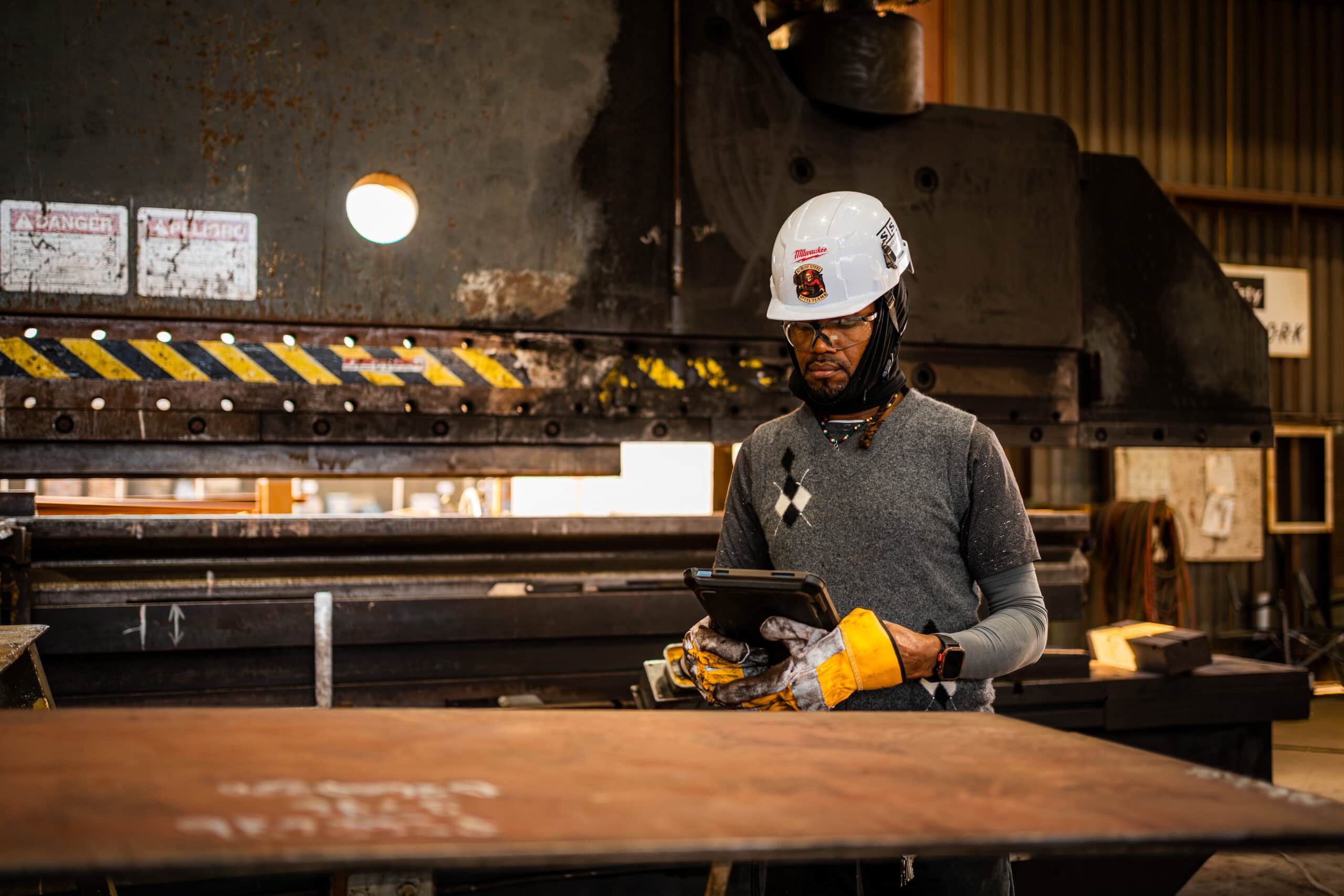
Digital coordination can reduce uncertainty, but it does not replace judgment. The performance of a mega-project still depends on experienced engineers, detailers, fabricators, inspectors, construction managers, and tradespeople making thousands of smart decisions at the right times.
- Workforce Capability: Qualified welders, pipefitters, ironworkers, inspectors, and supervisors remain essential. Training, certification, and retention are not workforce side issues. They are project-delivery strategies.
- Execution Quality: High-specification LNG work leaves very little room for inconsistency. Reliable models, traceable materials, disciplined welding procedures, inspection readiness, and controlled revisions all contribute to predictable field performance.
- Schedule Confidence: Clients are not simply buying drawings, models, or fabricated steel. They are buying confidence that each package will arrive complete, coordinated, constructible, and ready for the next activity.
The Next Competitive Advantage Will Be Lifecycle Integration
North America’s LNG buildout will continue to create substantial opportunities across structural steel, modular construction, piping, marine works, digital engineering, and supporting infrastructure. But growth alone does not guarantee successful delivery.
The projects that perform best will treat the lifecycle as a connected system. They will engage fabrication and construction expertise early, resolve interfaces in the model, plan logistics before design is frozen, carry traceable data into production, and make commissioning part of the delivery strategy rather than an end-stage event.