Square Peg Round Hole: The Problem with BIM to Maximo
BIM effectively creates a single source of truth about a project which can be accessed by all stakeholders across the lifecycle of the asset, facilitating more efficient coordination and collaboration.
When BIM is integrated into IBM Maximo, it puts information-rich 3D models directly into the hands of operational technicians ̶ enabling them to visualize tasks involved with ongoing asset management.
The Problem with Digital Engineering for Asset Owners
While the use of Digital Engineering is rapidly growing across the construction industry, misaligned and disparate teams often take a siloed approach to digital engineering standards ̶ with each focused exclusively on their own area of specialization.
From Scrap to Structure: Reusing Structural Steel in Construction
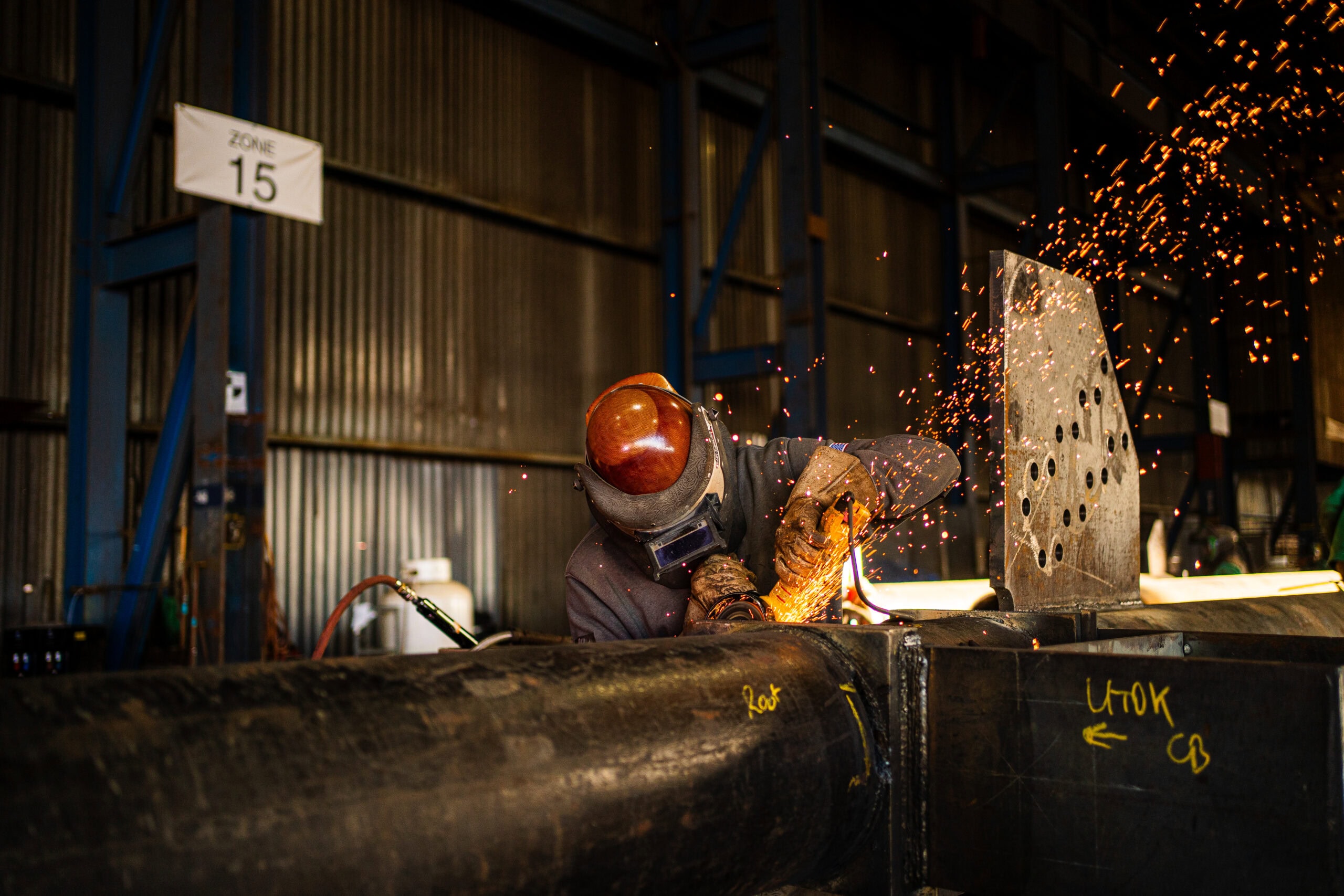
The advantages of reusing structural steel in construction projects are immense. By employing digital modeling, rigorous material testing, and precise fabrication techniques, the construction industry can enhance sustainability practices and benefit from cost savings on projects.

Safeguarding Your Project: Why Licensed Software Matters When Hiring Construction Partners
While the initial cost savings of working with a firm that utilizes pirated software (either knowingly or unknowingly) might seem attractive, the potential consequences can be detrimental and costly in the long run.
Making 4D Construction Sequencing ‘Business as Usual’ – and How To Do It
Incorporating 4D construction sequencing into everyday operations isn't just a technological upgrade; it's a business imperative for forward-thinking firms, especially in APAC.
Bridging Gaps and Building Careers: Inside the Women in BIM Mentor Scheme
Elouise Robinson and Alastair Brook connected through the Women in BIM (WIB) Mentor Scheme. By nurturing connections and creating opportunities for support, the scheme transcends conventional mentorship models.
Unlocking Efficiency and Accuracy: The Power of 3D Rebar Modelling in Construction Projects
The use of 3D rebar modelling offers significant advantages for complex construction projects, including increased accuracy, improved visualisation, better collaboration, and reduced waste.