Article by Andrew Fodor, DBM Vircon – Vancouver
When structural steel fabrication shops approach 100% capacity, the floor environment transforms into a high-stakes ecosystem of roaring weld arcs, crane movements, and unrelenting material flow. In this state of maximum production velocity, shop leaders face a tough contradiction: while output has never been higher, bandwidth has never been lower. Every manager, superintendent, and quality controller is consumed by the immediate pressures of throughput, labor scheduling, and equipment uptime.
When a shop runs flat-out, there is simply no time left to manage vendors. Production bottlenecks rarely begin on the shop floor itself, yet they disproportionately choke plant output. According to a 2024 survey of more than 500 metal fabricators published by MC Machinery, over 90% of fabricators regularly struggle with production bottlenecks, with 85% identifying material handling and bending as the primary sources of gridlock. The survey notes that as high-volume fiber lasers accelerate front-end cutting speeds, downstream operations frequently fail to keep pace unless supported by robust material handling and preconstruction integration.
The Hidden Toll of Production Bottlenecks
The survey breaks down the operational toll of these bottlenecks, with respondents ranking their most severe downstream impacts in order of disruption:
· Lower overall plant productivity: 55%
· Longer lead and turnaround times: 49%
· Worker downtime and labor inefficiency: 38%
· Unplanned machine downtime: 34%
· All of these impacts: 20%
When shops accept orders that push them beyond capacity without robust preconstruction safeguards, profit margins absorb the shock. A 2021 survey of US and Canadian construction project owners and developers by Procore Technologies and IDC highlighted that 75% of projects exceeded planned budgets and 77% were delivered later than planned. On average, these projects missed their original timelines by 70 days. Owners faced an average of six budget revisions and five schedule adjustments per project, which collectively drove up project costs by 15%.
The High Cost of Compromise
The potential costs of schedule slippage are severe. Flow-down clauses tie a general contractor’s financial penalties directly to sub-tier partners, meaning steel fabricators face stringent liquidated damages if schedules slip. These pre-agreed financial penalties are contractually enforced to cover an owner’s or general contractor’s losses when a project fails to meet its completion deadline.
Because structural steel sets the critical path for site progress, these clauses underscore why fabricators must collaborate with high-quality detailers to avoid costly downstream errors. As seen in high-profile infrastructure projects like the construction of Tim Hortons Field (the Pan American Games soccer stadium in Hamilton, Ontario, Canada), major structural steel defects, out-of-sequence issues, and supply mismanagement can severely drive up costs, trigger legal disputes, and cause substantial schedule overruns.
When your shop floor is operating at maximum capacity, the last thing your team needs is a revolving door of requests for information (RFIs), misaligned connection details, or incomplete drawing packages that stall assembly lines. This is precisely where partnering with a premium detailer provides clear, quantifiable value. A top-tier detailer serves as an essential engineering partner with a deep understanding of both downstream fabrication realities and upstream constructibility constraints.
The False Economy of Low-Cost Bidding
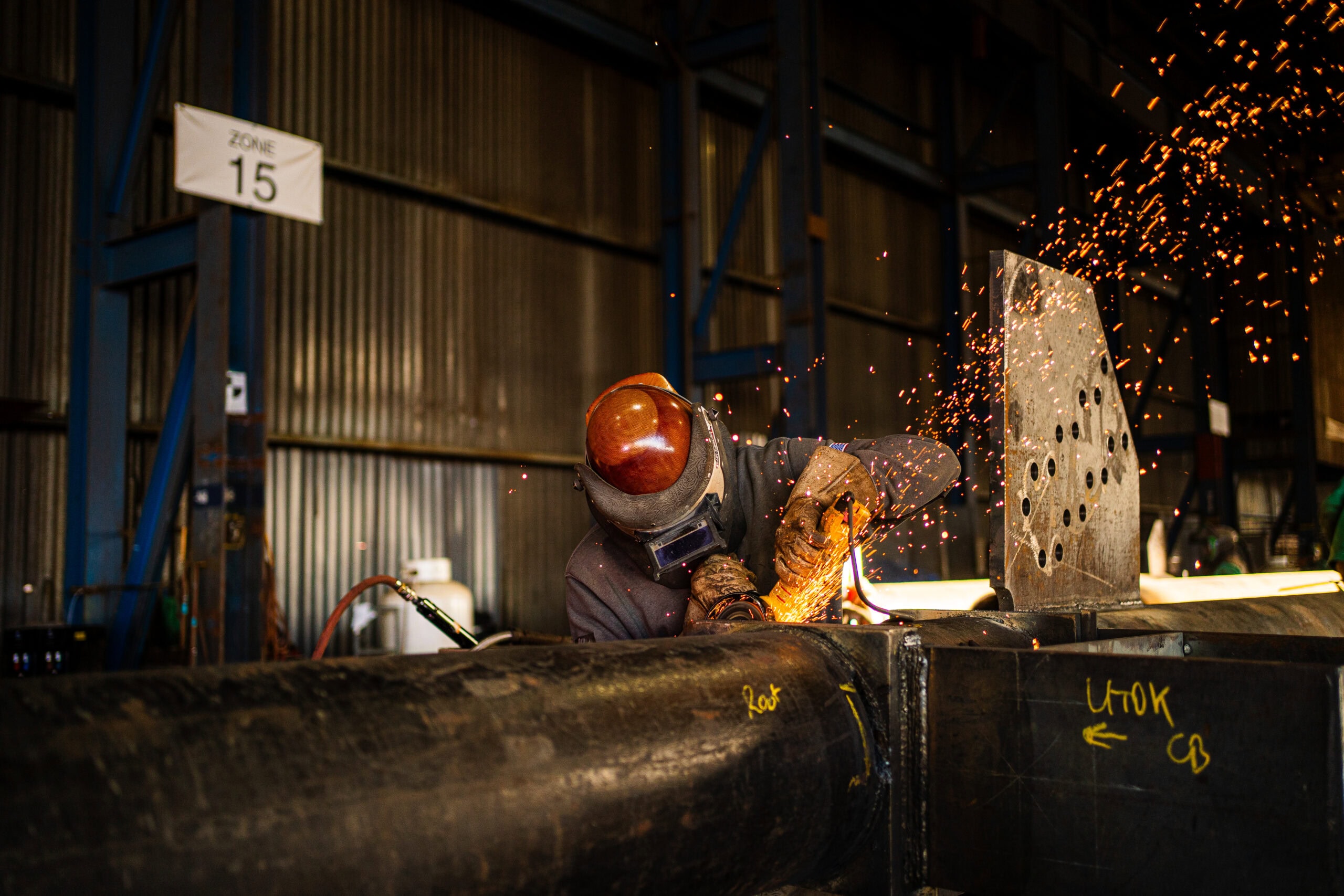
In fast-track construction environments, cutting corners on detailing or awarding contracts based solely on the lowest initial drafting bid creates a dangerous trap. Subpar detailing inevitably shifts the burden of problem-solving from the office to the factory floor. When fit-up errors, uncoordinated clashes, or ambiguous connection geometries slip past the detailing phase, they land directly in the lap of shop fitters and welders. Highly paid skilled labor then spends critical hours grinding, shimming, and re-routing components rather than turning out clean tonnage.
In addition to minimizing these types of errors, a premium detailer leverages advanced 3D modeling and deep fabrication know-how to streamline connection types, eliminate unnecessary stiffeners, and optimize piece weights. By smoothing out these friction points before a single beam hits the saw, they protect valuable shop production hours.
Strategic Considerations for Fabricators Operating at Full Throttle
So what does this mean for executives managing high-capacity fabrication operations? Consider these four critical factors when evaluating detailing partnerships and preconstruction workflows:
· Constructibility Over Pure Drafting: Look for detailers who possess real-world fabrication floor experience. A drawing can be geometrically correct while remaining entirely impractical to assemble, weld, or erect efficiently. True partners evaluate how members move through your specific shop layout, machinery, and material handling systems.
· Early Clash Detection and RFI Mitigation: Incomplete design information and uncoordinated multidisciplinary models can generate tens of thousands of dollars in delays. Premium detailer workflows utilize advanced BIM coordination and rigorous clash detection early in the project lifecycle to eradicate ambiguities before packages hit your shop floor.
· Phased and Intelligent Package Sequencing: When your shop runs at full capacity, material must arrive in logical, sequenced batches that match assembly line pacing. Insist on detailers who understand scheduling dynamics and can deliver phased approval packages that keep bays continuously fed without creating overwhelming work-in-progress (WIP) bottlenecks.
· Total Cost of Ownership vs. Initial Detailing Expense:
Saving a few cents per ton on front-end detailing costs is a false economy if it results in a drop in shop productivity or triggers costly field rework. Evaluate detailers based on their downstream impact: fewer RFIs, zero fabrication rework, and faster overall project completion times.
The Bottom Line
When your order book is full and your facility hums at maximum capacity, your internal team’s focus can stay locked on execution and quality control, not managing corrective vendor interactions. By forging strategic alliances with premium detailers who master the intersection of fabrication efficiency and constructability, steel fabricators can eliminate hidden gridlock, protect operating margins, and deliver complex projects faster than ever before.