Article by Kavian Iranzad, DBM Vircon – Vancouver
This is the first of two articles looking at engineering and construction challenges facing North American Liquefied Natural Gas (LNG) facilities.
North America is scaling quickly to become one of the world’s dominant LNG supply platforms. Since 2016, ten industrial-scale LNG export terminals capable of producing more than 130 million metric tonnes per year have been built in the United States and Canada.
The Institute for Energy Economics and Financial Analysis (IEEFA) estimates that regional export capacity could reach roughly 252 million metric tonnes per year by 2030, growing to about one-third of the global total. The U.S. Energy Information Administration expects North American LNG export capacity to more than double from the beginning of 2024 to 2029 as projects under construction enter service.
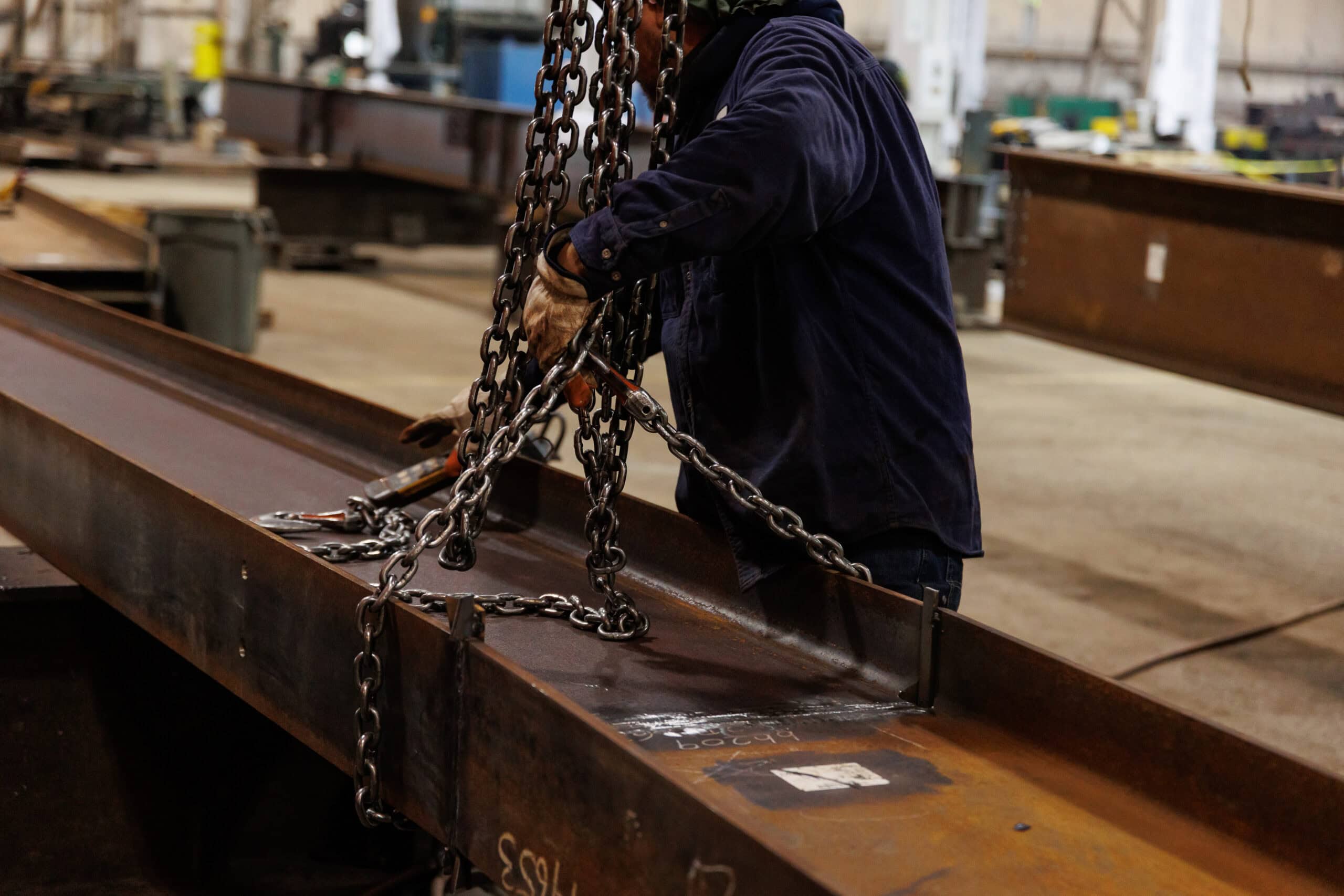
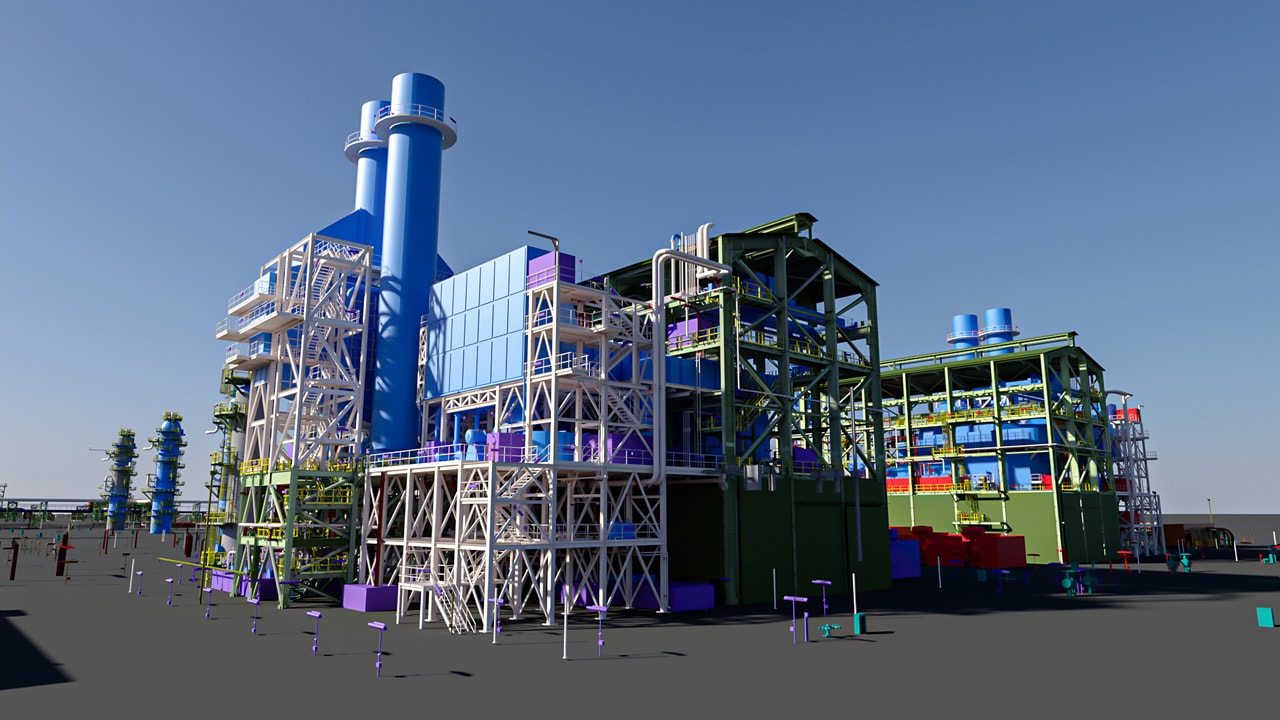
At LNG scale, schedule certainty is won long before steel reaches the jobsite. The strongest teams resolve constructibility, fabrication, logistics, and data handoffs early, when the cost of change is still manageable.
The numbers are striking, but the more important story for project teams is what sits behind them: simultaneous mega-projects competing for engineering attention, fabrication capacity, skilled labor, logistics windows, and capital. In that environment, the companies that outperform will not simply be the ones with the most resources. They will be the ones that connect every element of the project lifecycle more intelligently.
North America is Creating Two Major LNG Corridors And One Shared Capacity Challenge
The U.S. Gulf Coast remains the center of North American LNG activity, with major additions concentrated in Texas and Louisiana. Canada is now developing a second export corridor on the Pacific Coast, led by LNG Canada in Kitimat, British Columbia. In July 2025, LNG Canada shipped its first cargo, marking Canada’s entry into large-scale LNG exports.
For the broader industrial market, the opportunity is significant. But so is the competition for resources. LNG terminals do not operate in isolation. They compete for the same engineering disciplines, module yards, welders, inspectors, heavy-haul providers, and specialized suppliers as petrochemical, mining, power, and other major infrastructure programs.
Steel tonnage is not the only market constraint. The other is coordinated capacity: people, fabrication slots, engineering bandwidth, logistics windows, and timely decisions.
That is where the conversation is shifting. Owners, EPCs, fabricators, and constructors are increasingly asking the same question: how do we convert design information into fabrication-ready work packages with fewer handoff failures, less rework, and more schedule confidence?
- Upstream Infrastructure: Every increase in export capacity creates more demand for feed-gas pipelines, compressor stations, metering facilities, structural supports, and coordinated brownfield and greenfield interfaces.
- Marine Infrastructure: Jetties, trestles, loading platforms, mooring systems, and associated steelwork are critical to the export chain and bring their own constructibility, access, corrosion, logistics, and sequencing challenges.
- Long-Lead Procurement: Large projects increasingly need to secure critical materials, fabrication slots, specialist equipment, and logistics capacity long before peak construction. Procurement strategy is becoming inseparable from schedule strategy.
Execution Excellence Will Define the Next Phase of LNG Growth
The LNG opportunity is substantial, but so is the complexity required to deliver it successfully. As projects become larger, more interconnected, and more resource-intensive, execution excellence is becoming a key competitive differentiator.
In the next article, we will explore areas that are increasingly shaping project outcomes: the role of digital engineering in improving coordination and decision-making, the importance of people and how to better integrate disparate teams in a modern fabrication lifecycle, and the value of integrating fabrication expertise earlier in the project lifecycle to enhance constructability, quality, and schedule certainty.
Further reading: Learn how DBM Vircon delivered the structural connection design, modeling and structural detailing for all of the support structures and three process trains on the Downstream Gorgon LNG Project.