Projects
| CLIENT: | Barton Malow |
| LOCATION: | Detroit, Michigan, USA |
| COMPLETION DATE: | 2025 |
Long before suburban malls redefined retail, Hudson’s stood as a towering symbol of Detroit’s industrial success. Its decline mirrored the city’s own economic struggles, culminating in the 1998 demolition of the landmark. The resulting vacancy left a deep void, both literally and figuratively, that would take more than 20 years to fill.
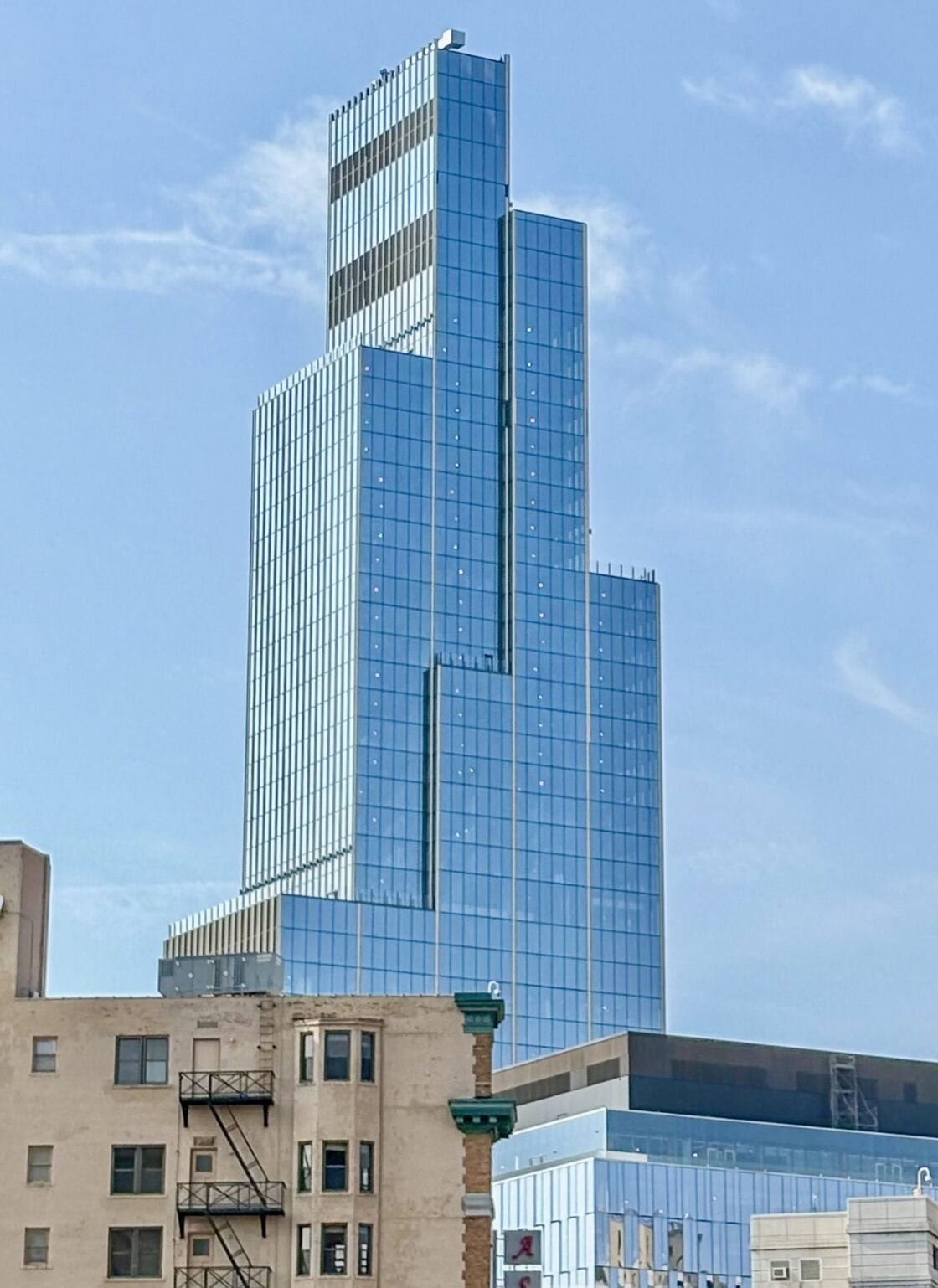
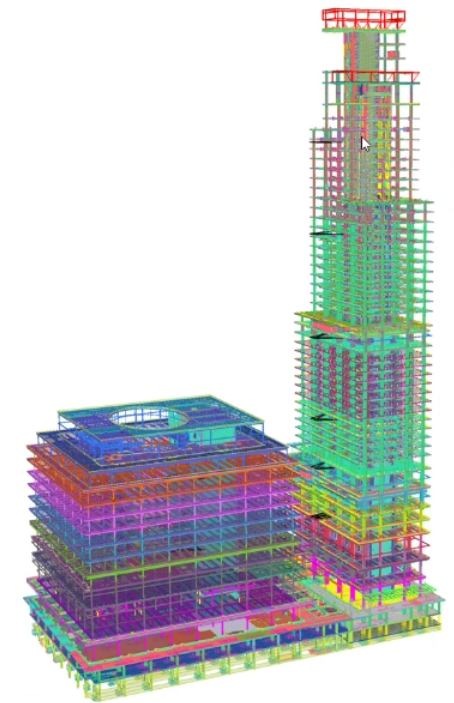
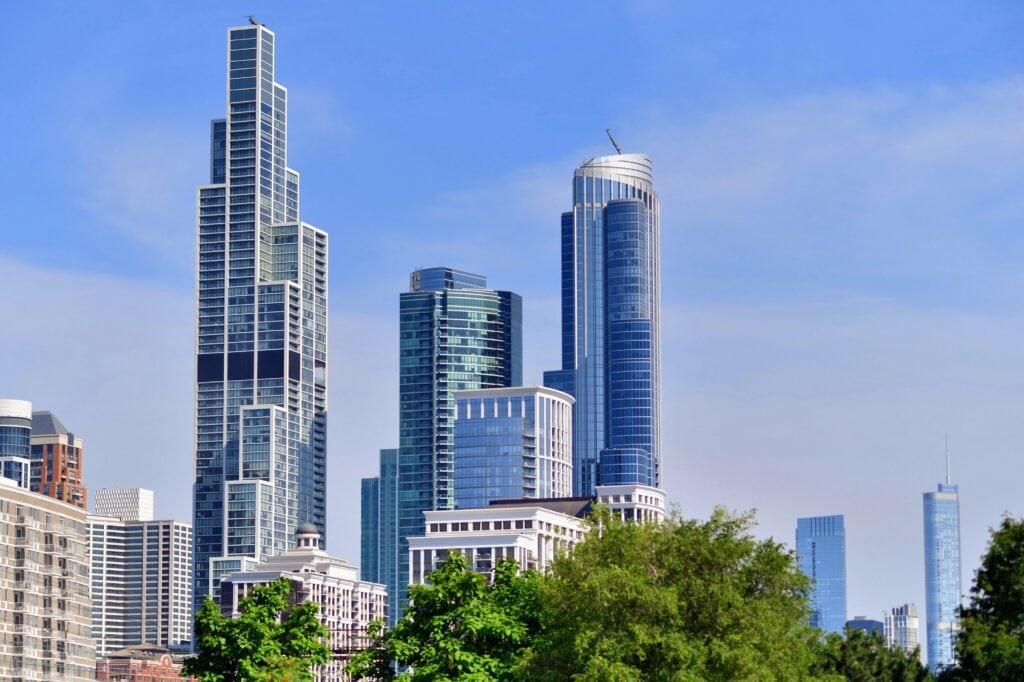
Today, that site features a 49-story, 685-foot skyscraper, the second-tallest building in Detroit, and the first skyscraper over 500 feet built in the city during the 21st century. The complex includes high-rise residences and a five-star hotel, while an adjacent 12-story building houses commercial offices, retail space, an event hall, and a conference center. The project also serves as the new global headquarters for General Motors.
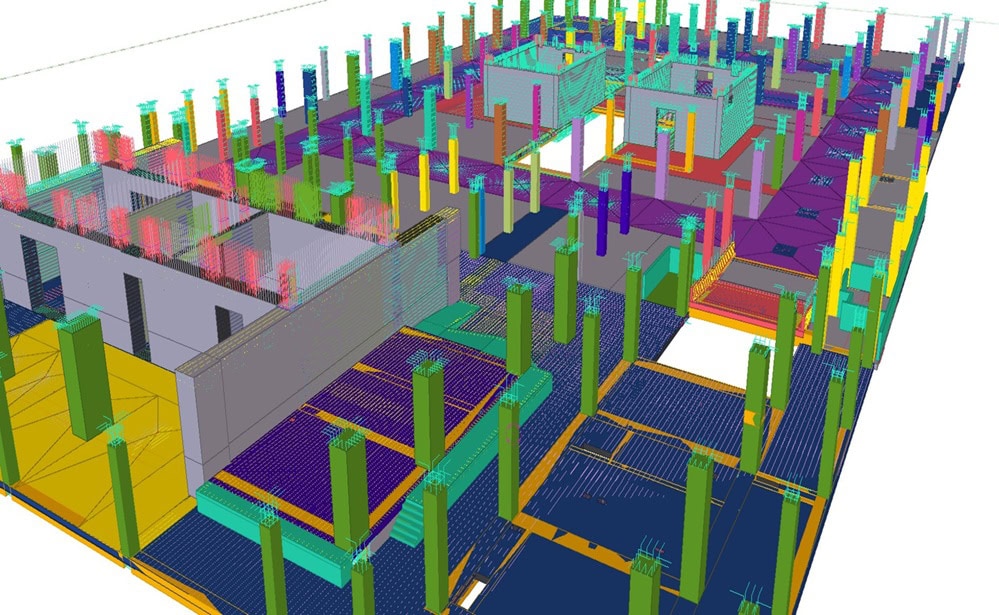
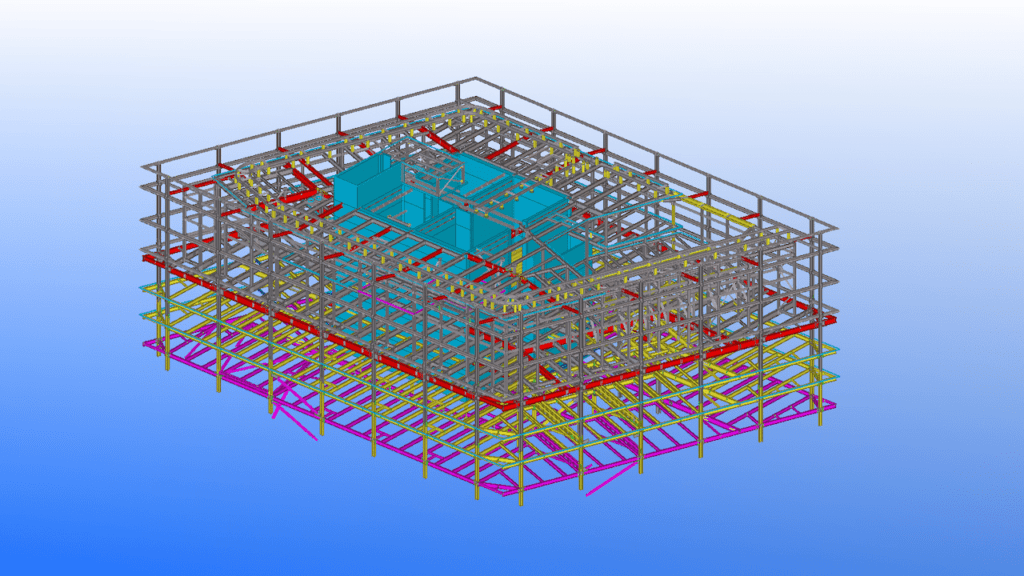
DBM Vircon worked with the general contractor, Barton Malow, to provide comprehensive 3D reinforced concrete detailing and modeling 7,279 tons of rebar that included deep foundations, caissons, columns, beams, shear walls, and both post-tensioned and reinforced concrete slabs. At the project’s peak, up to 30 professionals across DBM Vircon’s US and India offices collaborated to ensure seamless delivery.
To manage the fast-paced nature of this project, DBM Vircon utilized Tekla Structures for all modeling. Recognizing the project’s steep technical demands, the team developed custom API tools, macros, and templates to expedite the modeling process and ensure precision.
Throughout the construction phase, the team managed 1,082 drawings, multiple bulletins, RFIs, sketches, and MEP sleeve opening documents to avoid disrupting the construction schedule. Trimble Connect was critical to facilitating project collaboration and management.
The project was defined by its immense scale, tight urban location, and the complexities of building in a historic downtown area.
Spanning more than 1.5 million gross square feet, Hudson’s Detroit promises to be a catalyst for downtown Detroit’s revitalization, adding residents, commerce, and public programming to the city’s cultural center.